
The ATR ratio is a powerful tool that many traders rely on to gauge market volatility. If you're looking to sharpen your trading strategy, understanding this indicator is key.
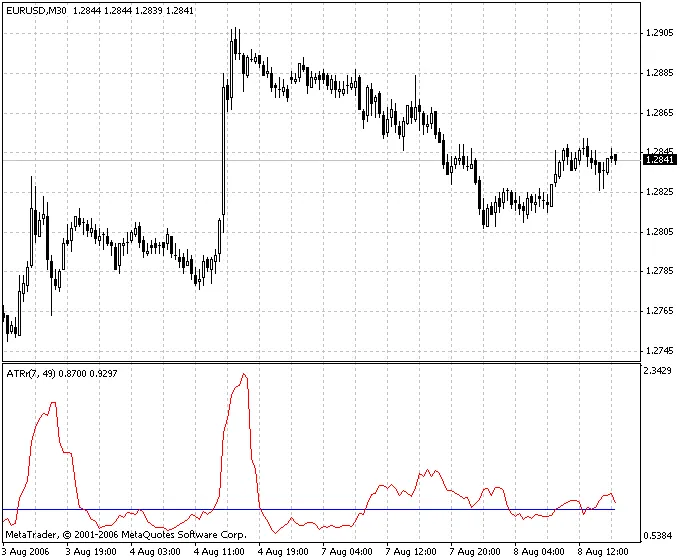
In this post, we'll break down what the ATR ratio is and how you can use it effectively in your trading.
What is the ATR Ratio?
The Average True Range (ATR) ratio helps traders measure market volatility by calculating the average range between high and low prices over a specific period. It’s a handy indicator, especially in fast-moving markets, as it allows you to adjust your trading strategies according to market conditions.
Why Use the ATR Ratio?
- Risk Management: Knowing the volatility can help you set better stop-loss orders.
- Entry and Exit Points: Use the ATR to identify optimal entry and exit points based on current market conditions.
- Market Sentiment: The ATR can provide insights into market sentiment, helping you make informed decisions.
How to Use the ATR Ratio in Your Trading
To effectively incorporate the ATR ratio into your trading, consider the following steps:
- Calculate the ATR for the asset you are interested in trading.
- Use the ATR value to determine your position sizing and stop-loss levels.
- Monitor changes in the ATR to adapt your strategy as market conditions evolve.
In conclusion, mastering the ATR ratio can significantly enhance your trading performance. Keep an eye on this indicator, and you'll be better equipped to navigate the ups and downs of the market.




Comments 0